
The History of Athens
Journey through time in the cradle of Western civilization
Journey through time in the cradle of Western civilization
The earliest human presence in Athens was marked by settlements around the Acropolis, taking advantage of the naturally defensible position and nearby water sources.
Athens became a major center of Mycenaean civilization, with the Acropolis serving as a fortress for the local ruler. The city's first palace was built during this time.
Cleisthenes established the world's first democratic system of government in Athens, introducing reforms that would influence political systems for millennia to come.
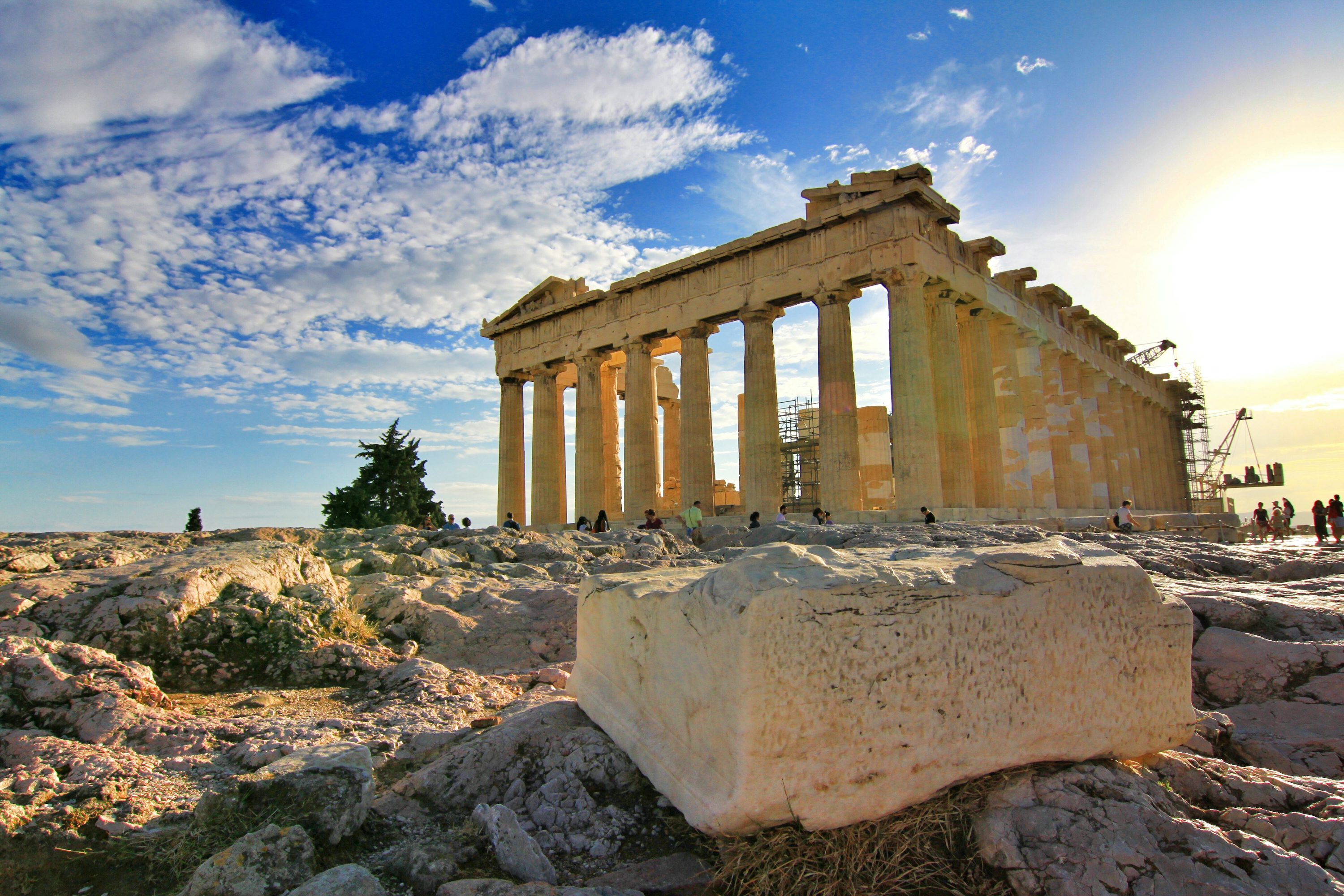
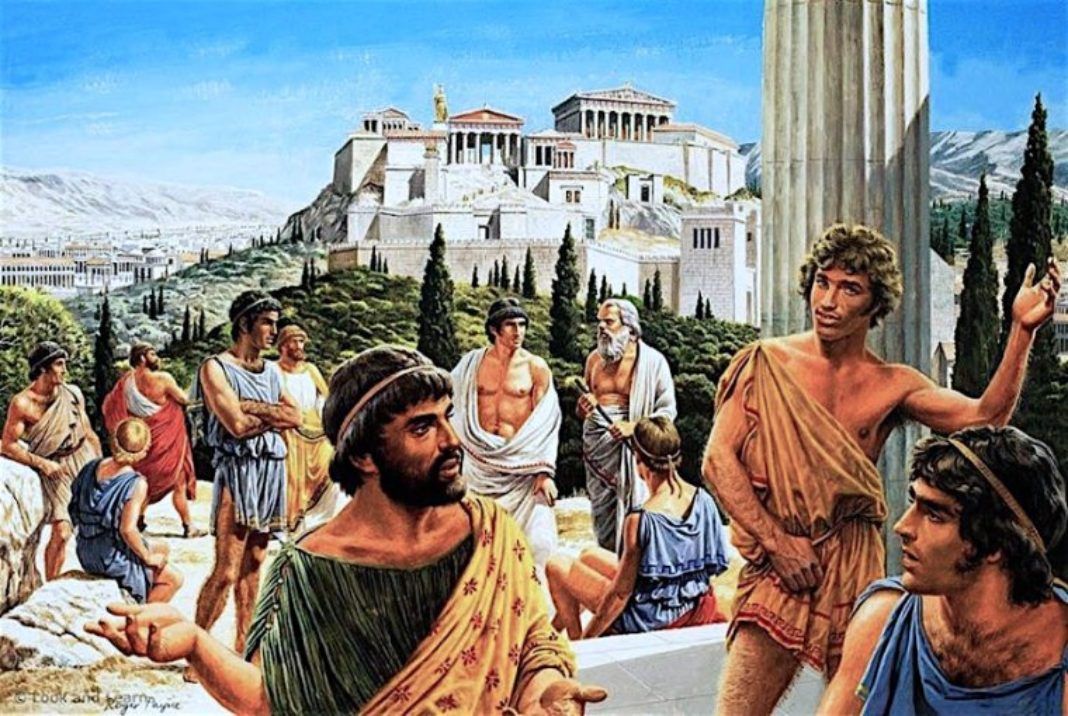
Under Pericles' leadership, Athens entered its Golden Age. The Parthenon was built, and the city became the center of art, philosophy, and literature in the ancient world.
Athens was captured by Roman forces under Sulla, marking the beginning of Roman rule. However, the city maintained its status as a cultural and educational center.

Emperor Justinian closed the philosophical schools of Athens, marking the end of the classical era and the beginning of the Byzantine period.
Athens fell to the Ottoman Empire, beginning a period of Ottoman rule that would last nearly four centuries.
After Greek independence, Athens was chosen as the capital of the modern Greek state, beginning its transformation into a modern metropolis.
Athens hosted the Summer Olympics, bringing the Games back to their spiritual home and showcasing the city's blend of ancient heritage and modern development.