History
Crete, the largest and most populous of the Greek islands, has been a cradle of civilization since ancient times. Its strategic location in the Mediterranean Sea has made it a crossroads of cultures and civilizations throughout history.
Historical Timeline
Minoan Civilization (3000-1100 BCE)
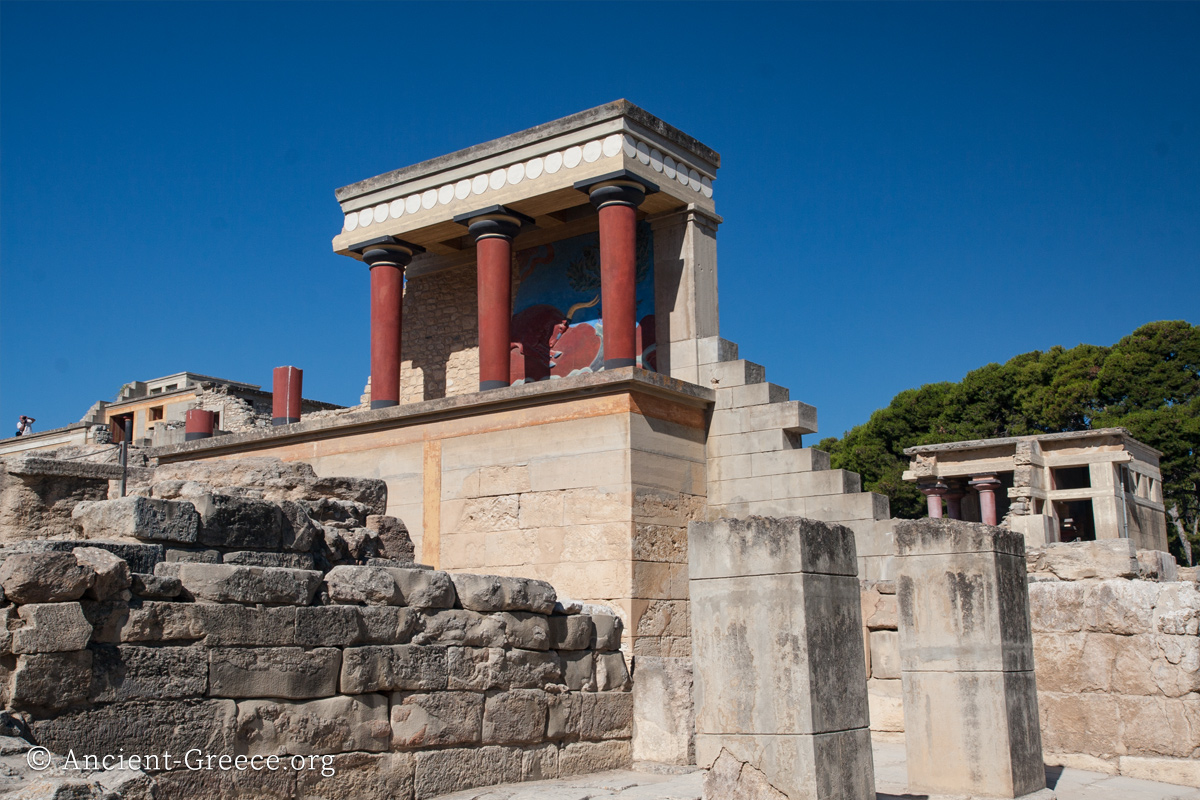
The first advanced civilization in Europe flourished on Crete. The Minoans were known for their magnificent palaces, especially the Palace of Knossos, advanced art, and sophisticated culture. They were expert sailors and traders who dominated the Mediterranean trade routes.
Mycenaean Period (1450-1100 BCE)
Following a decline in Minoan civilization, possibly due to natural disasters, Mycenaean Greeks from mainland Greece became dominant on Crete. This period is reflected in Greek mythology, including the famous legends of King Minos and the Minotaur.
Roman Period (69 BCE-330 CE)
Crete became part of the Roman Empire, serving as a key Mediterranean province. The Romans developed the island's infrastructure, building roads, aqueducts, and new cities.
Byzantine Period (330-1204 CE)
As part of the Byzantine Empire, Crete became an important Christian center. Many churches and monasteries were built during this period, some of which survive today.
Venetian Rule (1204-1669)
The Venetians significantly influenced Cretan culture and architecture. They built impressive fortifications, including the famous walls of Heraklion, and established Crete as a major cultural center.
Ottoman Period (1669-1898)
The Ottoman Empire conquered Crete after a long siege of Candia (modern Heraklion). This period saw numerous revolts by the Cretan population seeking independence.
Modern Era (1898-Present)
After gaining autonomy from the Ottoman Empire, Crete officially became part of Greece in 1913. During World War II, the island was the scene of the Battle of Crete (1941). Today, Crete is a major tourist destination, known for its rich history, beautiful beaches, and unique culture.